
By Harden Crichton, P.C., Slip and Fall Lawyers Representing Injured Pedestrians in Philadelphia, Delaware County, and Montgomery County

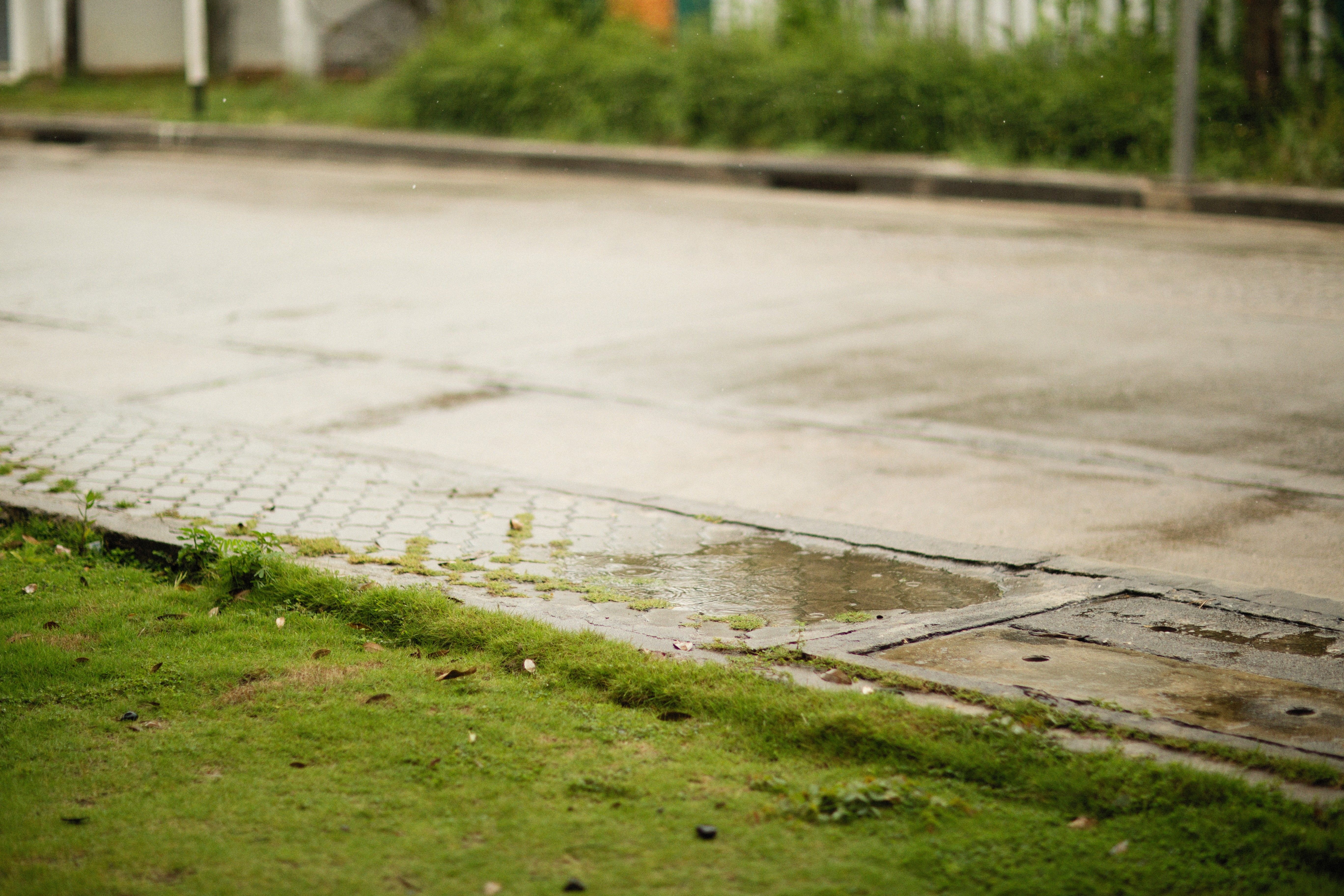
A cracked slab of concrete does not look dangerous until the moment it sends you to the ground. One second you are walking to the bus stop or heading home with groceries, and the next you are dealing with a broken wrist, a torn knee, or a head injury that follows you for months. If you suffered a sidewalk fall in Philadelphia, you probably assume the city is responsible for the sidewalk that hurt you. Most people are surprised to learn that Philadelphia's rules work differently. In most cases, the property owner next to the sidewalk, not the city, carries the legal duty to keep that walkway safe.
Harden Crichton, P.C. represents people injured by dangerous sidewalks and other unsafe property conditions throughout the Philadelphia region. To find out who is responsible for your slip and fall, call 215-798-7341or fill out the firm's online contact form and schedule a free consultation.
Sidewalk Fall Liability In Philadelphia: Why Do The City's Rules Point To The Property Owner Next Door?
Philadelphia has an enormous network of sidewalks, and the city government does not routinely inspect or repair most of them. Instead, the City places the duty of sidewalk maintenance on the owner of the property the sidewalk borders. Whether the adjacent building is a rowhome in West Philadelphia, a storefront along South Street, or an office tower on Market Street, the owner of that property is generally the one required to keep the abutting sidewalk in safe condition.
This rule surprises injured pedestrians, and it often surprises property owners too. Many homeowners have no idea they can be held legally responsible when a raised slab or crumbling curb in front of their house injures a stranger. The law does not care whether the owner knew about the rule. What matters is whether a dangerous condition existed, whether the owner knew or should have known about it, and whether that condition caused your injuries.
There is a practical reason this matters for your case. Identifying the correct defendant early is one of the most important steps in a Philadelphia sidewalk injury claim, because suing the wrong party wastes time you cannot get back.
Philadelphia Sidewalk Maintenance Requirements: What Does The Law Expect From Homeowners And Businesses?
Under Philadelphia's rules, property owners must keep the sidewalks along their property in good repair and free of hazards. That duty covers the kinds of defects that cause the majority of pedestrian slip and falls across the city and its suburbs:
- Raised or sunken slabs: Sections of concrete lifted by tree roots or settled by erosion create the classic trip hazard, and even a height difference of a couple of inches can cause a violent fall.
- Broken and crumbling concrete: Deteriorated pavement leaves holes and loose chunks that catch a shoe or roll an ankle without warning.
- Snow and ice accumulation: Owners are required to clear their sidewalks within a set time after snowfall, and slick, uncleared walkways are a leading cause of winter injuries.
- Loose bricks and slate: Older blocks in historic neighborhoods often have brick or slate walkways that shift and wobble as they age.
- Cellar doors and grates: Rusted, unlatched, or poorly maintained sidewalk doors and utility covers can collapse or shift underfoot.
When an owner ignores one of these conditions long enough that a reasonable person would have noticed and fixed it, the owner can be held liable for the injuries it causes. Commercial owners and landlords are held to this standard just as firmly as homeowners, and businesses that generate heavy foot traffic have every reason to know the condition of the pavement outside their doors.
Claims Against The City Of Philadelphia: When Can An Injured Pedestrian Hold The City Responsible?
The city is not always off the hook. Pennsylvania's Political Subdivision Tort Claims Act generally shields cities and townships from lawsuits, but it carves out an exception for dangerous conditions of sidewalks within the rights-of-way of city streets. Even then, the city of Philadelphia's responsibility is secondary. The adjacent property owner remains primarily liable, and an injured person must show that the city of Philadelphia knew or should have known about the defect in time to fix it. Different rules apply when the city itself owns the property next to the sidewalk.
Claims involving the city come with a trap that catches many injured people. Anyone pursuing a claim against the City of Philadelphia generally must provide written notice within six months of the injury. Missing that deadline can put the claim at serious risk, and only limited exceptions may save it. Damages against a municipality are also capped at $500,000, and recovery for pain and suffering is restricted in ways that do not apply to private owners.
Because of these hurdles, an experienced attorney will usually investigate every potentially responsible party at once: the private owner, any tenant or business occupying the property, contractors who performed defective sidewalk work, and the city where the exception applies. Harden Crichton, P.C. approaches these cases the way it approaches all of its litigation, by preparing from day one as though the case will be decided by a Philadelphia jury.
Proving Fault In A Pennsylvania Sidewalk Injury Case: What Does A Winning Claim Require?
Every sidewalk case comes down to proof. To recover compensation, you must show that a defective condition existed, that the responsible party knew or should have known about it, and that the defect caused your fall and your injuries.
Notice is often the central battleground. A crack that appeared overnight is treated differently than a slab that has been heaving upward for three winters. Weathering, vegetation growth, prior complaints, and photographs from different time periods can all establish how long a hazard existed. In snow and ice cases, Pennsylvania courts apply a doctrine that generally requires proof that ice had accumulated in ridges or uneven patches and remained there long enough that the owner should have addressed it.
Expect the defense to argue that you were not watching where you were walking. Pennsylvania follows a comparative negligence system, which means your recovery can be reduced by your own share of fault, and you can be barred from recovering entirely if your share exceeds the defendant's. This is exactly why detailed evidence of the defect matters so much. A well-documented hazard shifts the focus back where it belongs, on the owner who let the danger sit there.
What To Do After Falling On A Sidewalk In Philadelphia: Which Actions Protect Your Injury Claim?
The strength of a sidewalk slip and fall case is often decided within the first days after the injury. If your health allows, take these steps:
- Photograph everything: Capture the defect from multiple angles with something in frame for scale, because owners frequently repair sidewalks quickly once someone gets hurt.
- Pin down the location: Note the exact address of the adjacent property so the responsible owner can be identified.
- Seek medical attention promptly: A prompt diagnosis protects your recovery and ties your injuries directly to the fall.
- Collect witness information: Neighbors and passersby can confirm both the fall and how long the hazard existed.
- Keep what you were wearing: Your shoes and clothing can help counter claims that you caused your own fall.
- Contact a lawyer before the six-month mark: If the city may share responsibility, the written notice deadline arrives much sooner than most people expect.
Acting quickly does more than preserve evidence. It gives your legal team the chance to send preservation letters, obtain surveillance footage before it is erased, and put every responsible party on notice while the facts are still fresh.
Sidewalk Injury Representation Across The Philadelphia Region: Who Does Harden Crichton, P.C. Fight For?
Dangerous sidewalks are everywhere in the region, from aging rowhome blocks in West Philadelphia and Yeadon to the commercial corridors of Chester, Media, and Cheltenham. Older housing stock, mature street trees, and freeze-thaw winters combine to make Delaware County and Montgomery County some of the most hazardous walking territory in Pennsylvania.
Harden Crichton, P.C. is a home-grown Philadelphia firm whose partners have recovered more than 100 million dollars for injured clients. Premises liability cases, including sidewalk falls, are a core part of the firm's practice, and the partners are known for relentless preparation and a genuine willingness to try cases rather than settle them cheaply. Insurance companies know which firms take verdicts, and that reputation follows every demand letter the firm sends.
Frequently Asked Questions About Sidewalk Fall Claims In Philadelphia
Who pays for my injuries after a sidewalk fall in Philadelphia?
Usually the owner of the property next to the sidewalk, through their homeowners or commercial liability insurance. The City of Philadelphia can share responsibility in limited situations involving city notice or city-owned property.
What if I fell on a sidewalk in front of a rented property?
Both the landlord and the tenant may bear responsibility depending on the lease and who controlled the sidewalk area. An attorney can identify every liable party.
How long do I have to file a sidewalk injury claim in Pennsylvania?
You generally have two years from the date of the fall to file a lawsuit. If the city may be liable, written notice must be given within six months, so early action is important.
Do I have a case if the sidewalk defect was small?
It depends. Pennsylvania courts may dismiss claims over truly trivial defects, but there is no fixed measurement, and factors like lighting, location, and foot traffic all matter. A free consultation is the best way to find out.
What is my Philadelphia slip and fall case worth?
No lawyer can promise a result. The value depends on the severity of your injuries, your medical bills and lost wages, the strength of the liability evidence, and the insurance available.
Talk To A Philadelphia Sidewalk Injury Lawyer Before Evidence Disappears
Sidewalk defects get patched, snow melts, and surveillance footage gets recorded over. The sooner an attorney begins investigating your slip and fall, the stronger your claim will be, and the sooner you will have real answers about who is responsible.
Harden Crichton, P.C. offers a free consultation, and its attorneys will meet injured clients at the hospital or at home when travel is difficult. Call 215-798-7341or reach out through the online contact form today to speak with a Philadelphia slip and fall lawyer who prepares every case for trial.
Disclaimer: This blog is intended for informational purposes only and does not establish an attorney-client relationship. It should not be considered as legal advice. For personalized legal assistance, please consult our team directly.