
By Harden Crichton, P.C., Philadelphia Civil Rights and Personal Injury Attorneys

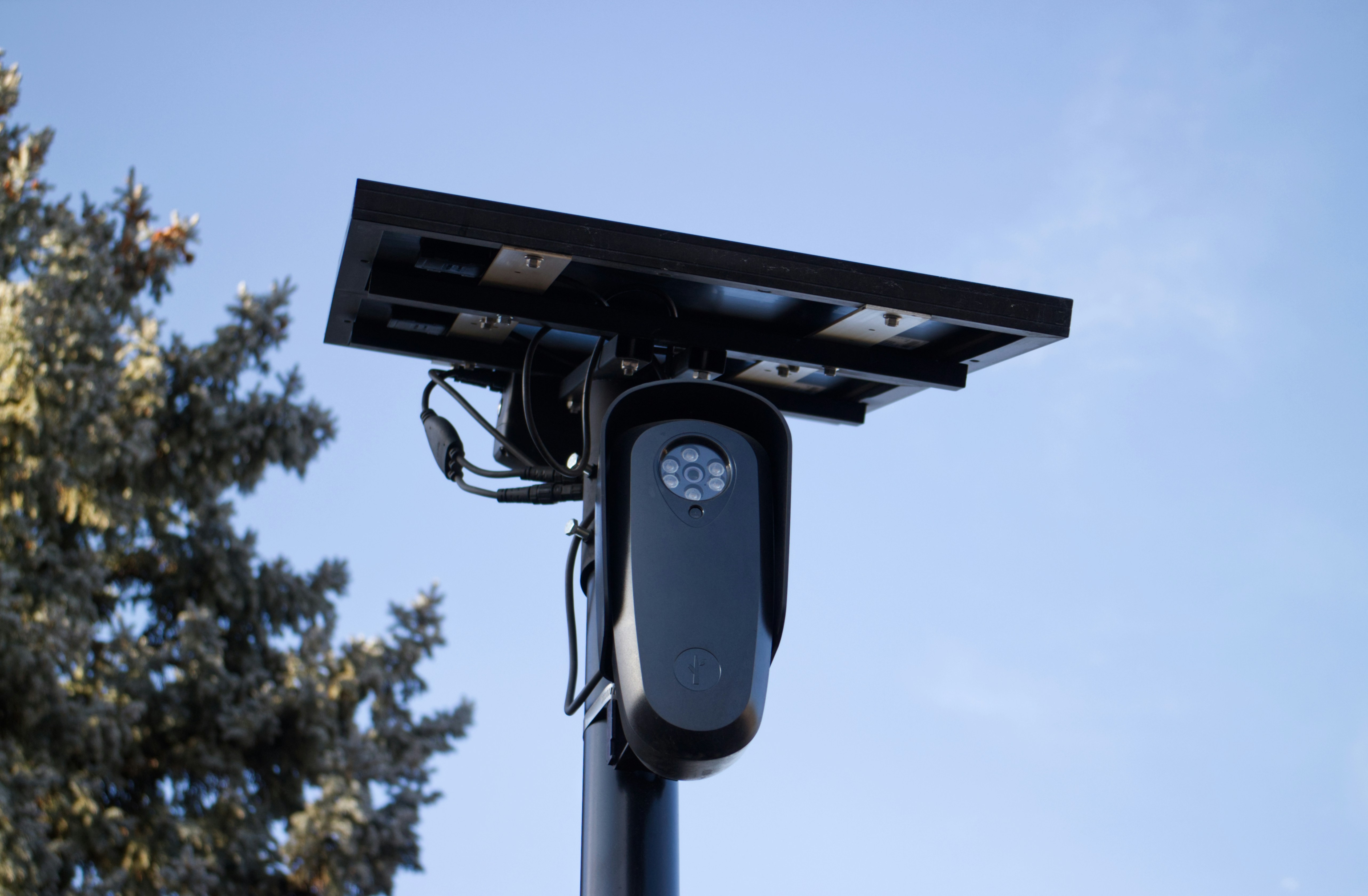
You drove to see family, made a quick work trip, or crossed a bridge into Philadelphia. You broke no laws. Yet somewhere along the way, a camera you never noticed logged your license plate, the time, and the direction you were heading. License plate reader surveillance now tracks millions of drivers, and a recent federal jury verdict in Texas shows how that data can turn an ordinary drive into a 76-minute police detention.
Harden Crichton, P.C. partner Kevin Harden, Jr., a former Philadelphia prosecutor, recently shared his perspective on the case with the Daily Mail. His message was direct: "All Americans should be worried about indiscriminate government surveillance." Below, we explain what happened in Texas, why it matters here in Pennsylvania, and what you can do if you believe police violated your rights.
If you were stopped, searched, or held without a valid reason, Harden Crichton, P.C. is ready to listen. Call our Philadelphia office at 215-798-7341 or fill out our online contact form to talk with our team about what happened.
License Plate Reader Surveillance In Texas: How Did A Legal Road Trip Lead To A 76-Minute Stop?
In March 2022, Houston resident Alek Schott was driving on Interstate 35 outside San Antonio when a Bexar County Sheriff's deputy pulled him over. The deputy said Schott had crossed the line on the shoulder of the road. Schott's own dashcam footage showed he had not.
The stop dragged on for 76 minutes. The deputy questioned Schott in the front seat of the patrol car and asked to search his truck. When Schott refused, deputies brought in a drug dog, searched the vehicle anyway, and found no drugs. The search reportedly left about $7,000 in damage to his truck.
Schott only learned the real reason for the stop after he filed a lawsuit. Automated license plate reader cameras had recorded him making a one-day trip to the US-Mexico border and back. Someone flagged that travel pattern as suspicious and shared his information in a WhatsApp group that deputies monitored. According to trial testimony reported by the Daily Mail, deputies acted on tips from that chat without verifying them.
On September 28, 2026, a federal jury found Bexar County liable for violating Schott's Fourth Amendment rights. He asked for, and received, $76: one dollar for every minute he was detained. The amount was symbolic. The message was not.
Kevin Harden, Jr. On Government Surveillance: Why Should Every Driver Pay Attention To This Case?
Before co-founding Harden Crichton, P.C., Kevin served as an Assistant District Attorney in Philadelphia. He knows how investigations are built, and he knows where good police work ends and overreach begins. That background shaped his comments to the Daily Mail.
Kevin acknowledged that, under current law, police can use information from messaging apps like WhatsApp during an investigation. "In other words, if it makes sense and leads the police to a reasonable conclusion that a crime has occurred or is occurring, they are allowed to follow the evidence to its likely conclusion," he explained.
He was just as clear about the limits. "Anonymous tipsters and messages are not enough to obtain a warrant absent other information that would lead a reasonable person to believe that a specific crime will or has occurred," Kevin said. A plate number dropped into a group chat, with nothing more, should not be enough to upend someone's day or search their property.
Kevin also pointed to a cost that often gets overlooked. He believes that "surveillance programs will force those who are most in need of the government's protections into the shadows." When people fear being tracked, crime victims, witnesses, and vulnerable neighbors may stop reaching out to police at all. That makes every community less safe.
Flock Cameras In Pennsylvania: How Common Is This Technology In The Philadelphia Area?
This is not just a Texas problem. Automated license plate reader cameras, many made by Flock Safety, sit along roads, bridges, and parking lots throughout the region. Recent reporting paints a clear picture of how widespread they have become.
- Philadelphia police cameras: Police use 137 fixed non-Flock readers across the city, and patrol vehicles carry them too
- Bridge crossings: A port authority contract covers readers on the Ben Franklin, Walt Whitman, Commodore Barry, and Betsy Ross bridges
- Campus systems: Temple University added Flock cameras to its campus in 2024
- Retail parking lots: Home Depot and Lowe's use readers in the parking lots of some stores
- Regional totals: One crowd-sourced map counts more than 300 readers within 10 miles of Center City
Lawmakers are taking notice. On September 24, 2026, Philadelphia City Council unanimously passed a resolution urging state lawmakers to ban or limit the use of these cameras. Governor Josh Shapiro has said he would welcome legislation to ban them, and the state moved to pull Flock from its COSTARS purchasing program. In Montgomery County, Abington Township police are ending their Flock contract and removing the company's cameras, citing data and security breaches.
Texas is facing the same questions. In August 2026, Governor Greg Abbott blocked state agencies from spending money on Flock cameras. The debate over who controls this data, and how police may use it, is happening in real time.
Similar Post: How To Get Security Footage From Your Accident In Philadelphia And Protect Your Case
Fourth Amendment Rights In Pennsylvania: What Protections Do You Have During A Traffic Stop?
The Fourth Amendment protects you from unreasonable searches and seizures. A traffic stop counts as a seizure, so police need at least reasonable suspicion that you broke a traffic law or are involved in a crime.
Pennsylvania offers even more protection in some areas. Article I, Section 8 of the Pennsylvania Constitution guards personal privacy, and state courts have read it more broadly than its federal counterpart. In Commonwealth v. Alexander (2020), the Pennsylvania Supreme Court held that police generally need a warrant to search a car unless exigent circumstances exist.
A few other rules come up often in surveillance-driven stops:
- Pretext stops: Officers may stop you for a real traffic violation, even when they want to investigate something else
- Prolonged detentions: Police cannot extend a finished stop for a dog sniff without separate reasonable suspicion
- Anonymous tips: A bare, unverified tip usually needs corroboration before it justifies a stop
- Digital location data: The US Supreme Court ruled police generally need a warrant for phone company location records in 2018
Schott's case turned on the first point. His dashcam disproved the claimed violation, so the stop had no lawful starting point. Courts remain split on whether license plate reader searches require a warrant, but this verdict shows juries will hold police accountable for unlawful stops.
Civil Rights Lawsuits Under Section 1983: How Can You Hold Police Accountable In Pennsylvania?
Federal law gives you a path to accountability. Under 42 U.S.C. § 1983, you can sue state and local officials who violate your constitutional rights while acting in their official roles. A city, county, or township can also be liable when its policy, custom, or practice caused the violation. In the Texas case, trial evidence described a program in which deputies routinely stopped vehicles flagged through surveillance tips.
Timing matters. In Pennsylvania, Section 1983 claims generally must be filed within two years, borrowing the state's personal injury deadline under 42 Pa.C.S. § 5524. Dashcam footage, body camera video, and dispatch records can be overwritten or lost, so speaking with a lawyer early helps protect your evidence.
A successful claim may allow you to recover compensation for property damage, lost time, emotional distress, and other harm. Under 42 U.S.C. § 1988, courts can also award attorney's fees to people who win civil rights cases. Officers often raise qualified immunity as a defense, which is one reason these cases require careful preparation. Every case is different, and no lawyer can promise a particular result.
Unlawful Traffic Stop Next Steps: What Should You Do If You Believe Surveillance Led To Your Stop?
If you suspect a camera alert or anonymous tip was behind your stop, the steps you take afterward can make a real difference.
- Stay calm: Keep your hands visible and avoid arguing with officers at the scene
- Know your rights: You can politely refuse consent to a search of your vehicle
- Write it down: Note the time, location, officer names, and badge numbers right away
- Save your footage: Back up dashcam video, phone recordings, and photos of any damage
- Request records: Ask for copies of the citation and the police report
- Talk to a lawyer: Speak with a civil rights attorney before filing a complaint or giving statements
Schott's own dashcam became the evidence that disproved the deputy's story. Your recordings could play a similar role, so protect them from the start.
Philadelphia Civil Rights Lawyer: Why Does Local Trial Experience Matter In Police Misconduct Cases?
Harden Crichton, P.C. represents people from Center City to Northeast Philadelphia and throughout Montgomery, Bucks, and Delaware counties. Whether your stop happened on I-95, the Schuylkill Expressway, or a side street near Temple University's campus, our attorneys understand how local departments operate and how these cases move through the courts.
Kevin's years as a prosecutor give him insight into how police build cases, and how those cases fall apart when officers cut corners. He has recovered more than $25 million in civil rights excessive force cases and helped secure a $6.25 million settlement for Terrance Lewis, a then-record non-DNA wrongful conviction settlement in Pennsylvania. Harden Crichton, P.C. prepares every case as if it is going to trial, because that preparation is often what moves the other side. Past results do not guarantee a similar outcome.
License Plate Reader And Civil Rights FAQ: What Do Pennsylvania Drivers Ask Most?
Are Flock cameras legal in Pennsylvania?
Yes, for now. No state law bans license plate reader cameras, though lawmakers in Harrisburg are weighing limits and Governor Shapiro has voiced support for a ban.
Can police stop me based only on license plate reader data?
An alert for a stolen car or an active warrant may support a stop. Lawful travel patterns, like the trip in the Texas case, raise serious constitutional questions when used as the basis for a stop.
How long do I have to file a civil rights lawsuit in Pennsylvania?
Most Section 1983 claims in Pennsylvania must be filed within two years. Talking with a Philadelphia civil rights lawyer early helps protect your deadline and your evidence.
Can I bring a claim if police searched my car and found nothing?
Possibly. Schott's search turned up no drugs, and a jury still found his rights were violated. The question is whether the stop and search were lawful, not what police found.
Does Harden Crichton, P.C. handle police misconduct and unlawful search cases?
Yes. Civil rights cases are part of the firm's practice, including claims involving police misconduct and wrongful conviction.
Speak With A Philadelphia Civil Rights Attorney About Your Unlawful Stop Or Search
Driving across the state, or across a bridge into Philadelphia, is not a crime. When surveillance technology and unverified tips lead police to stop, hold, or search you without cause, you have the right to push back. As Kevin put it, all Americans should be worried about indiscriminate government surveillance, and the law gives you tools to respond.
If you believe police violated your rights during a traffic stop, Harden Crichton, P.C. is here to help you understand your options. Call our Philadelphia office at 215-798-7341 or complete our online contact form to start the conversation.
Disclaimer: This blog is intended for informational purposes only and does not establish an attorney-client relationship. It should not be considered as legal advice. For personalized legal assistance, please consult our team directly.